
Categories

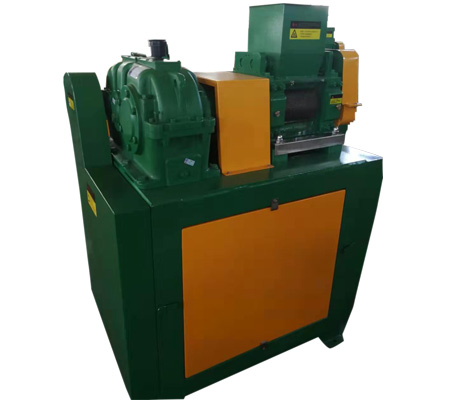
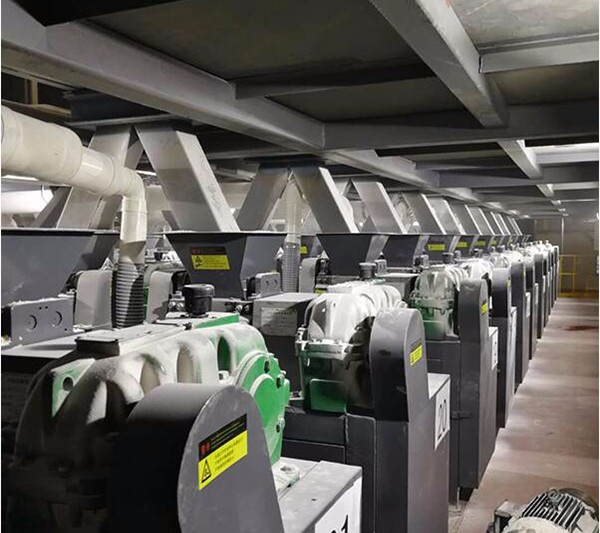
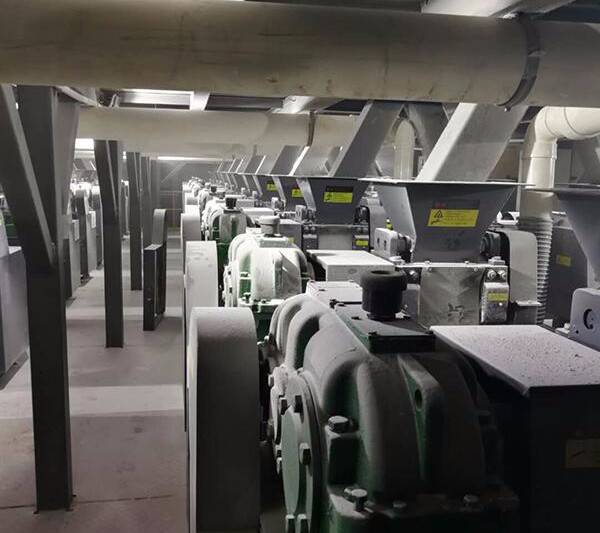
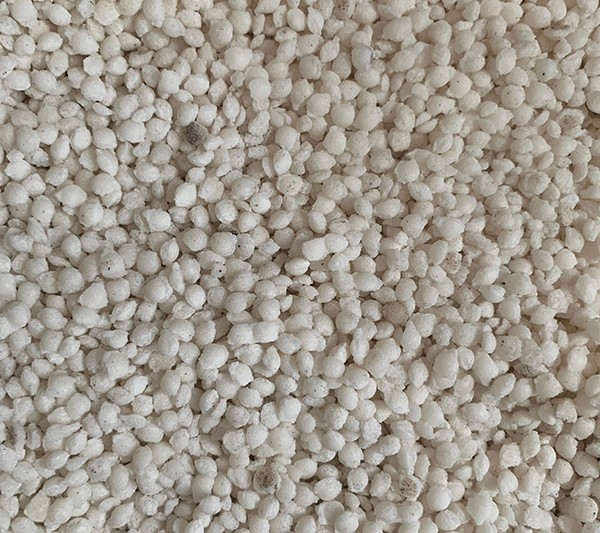
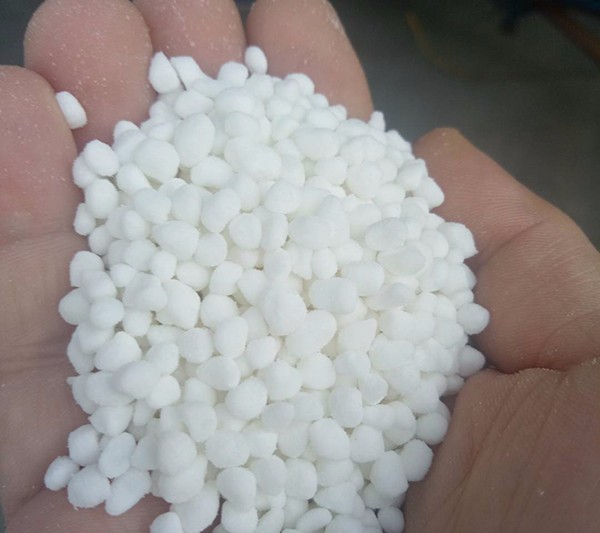
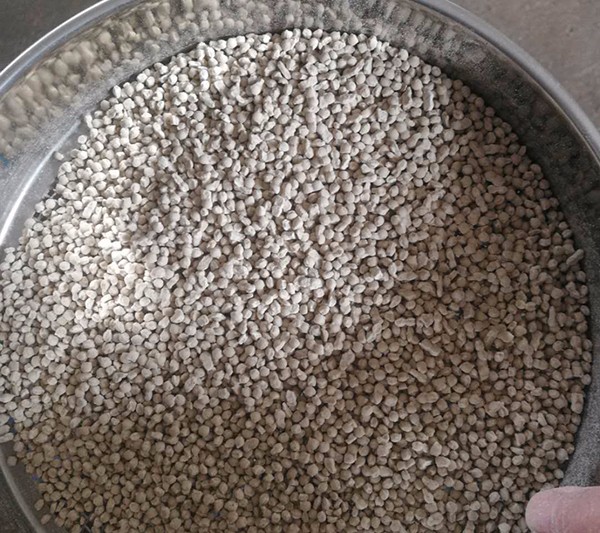
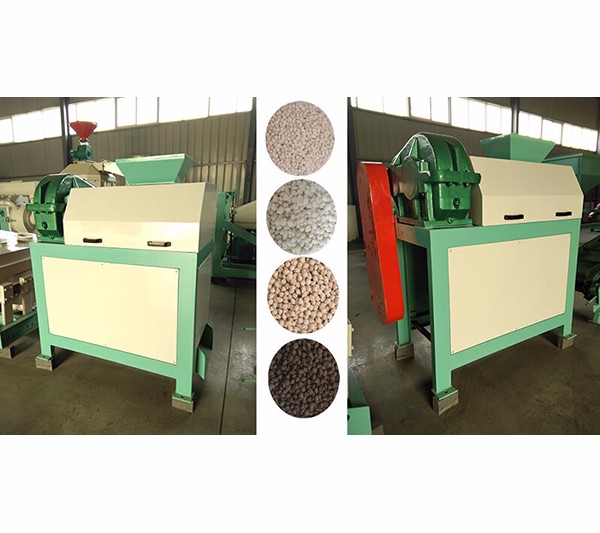
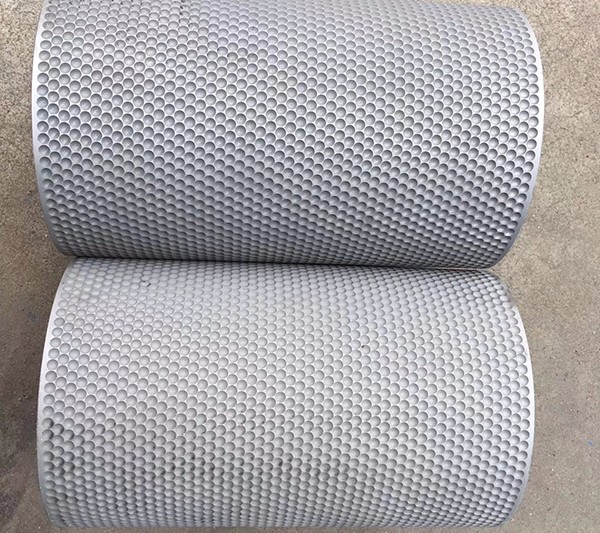
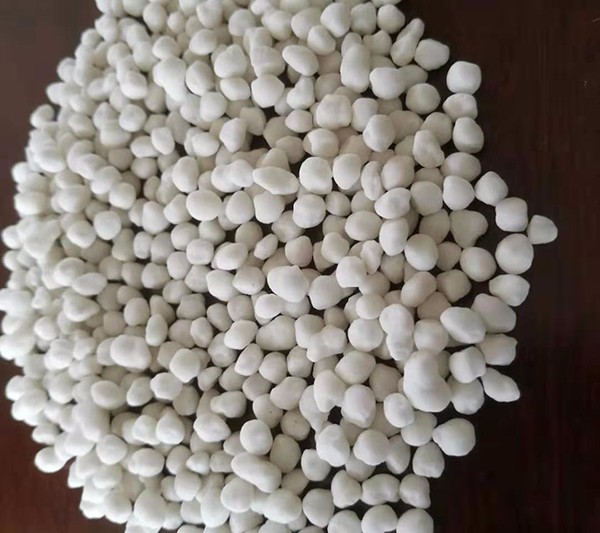
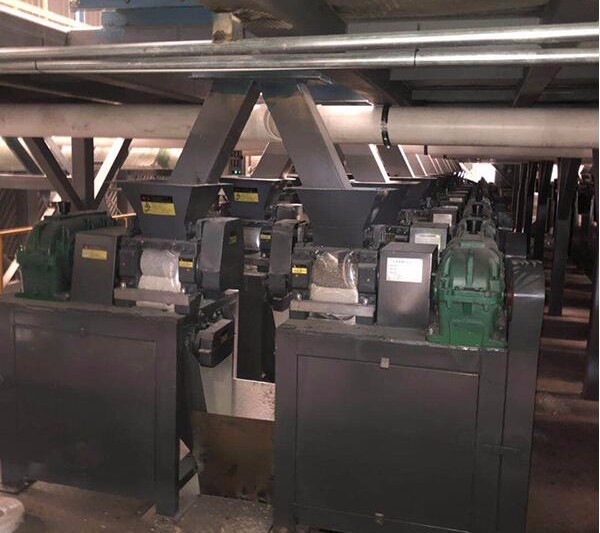

Wet Method Double Roller Compactor:
Working principle:
By squeezing the rollers, the air between the raw material crystals / powder is completely discharged, so that the bridge between the raw material molecules is shortened, thereby generating attractive forces such as van der Waals force and adsorption force, and forming spherical particles that meet the requirements.
Scope of application:
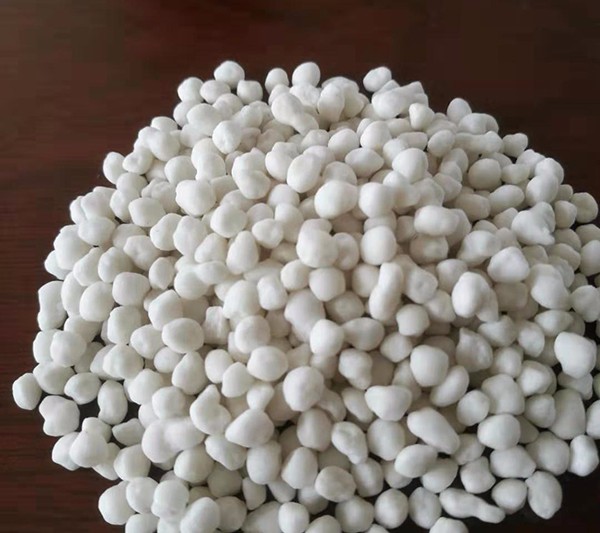
The machine is granulated at room temperature and formed at one time. It can produce 3-10mm flat spherical particles, which can be produced in one machine. Widely used in granulation of powder raw materials such as fertilizer, medicine, chemical industry, etc., especially suitable for the production of ammonium bicarbonate, urea, ammonium chloride, ammonium sulfate, potassium chloride, potassium sulfate, salt, blended fertilizer, binary and ternary Yuan compound fertilizer and other granular fertilizers。
Design capacity:
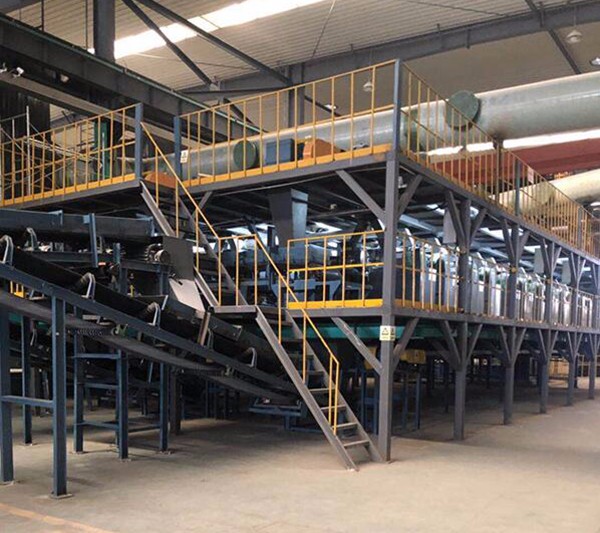
Our company can design and produce 30,000-500,000 tons of powder granulation production line according to customers' requirements. The complete equipment has a compact process layout, scientific and reasonable, leading technology, energy saving and consumption reduction, environmental protection, no waste discharge, stable operation and convenient maintenance.
Technical Parameters:
Model | H200 |
Motor power | 15KW |
Capacity | Oblate shape 600-1200 kg/h |
Reducer | Hardened gear reducer (large torque) |
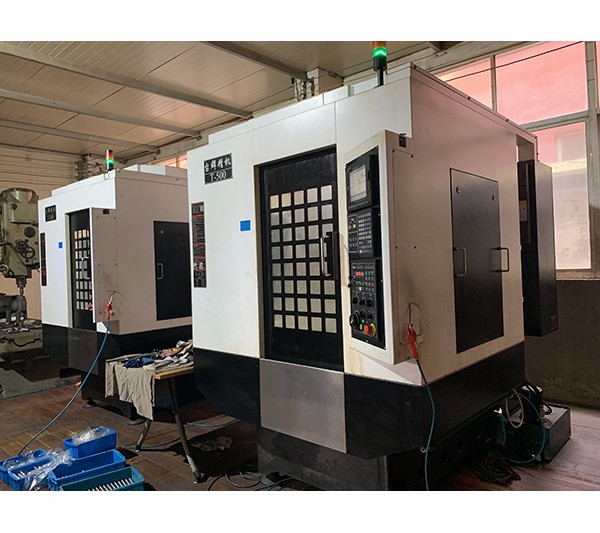
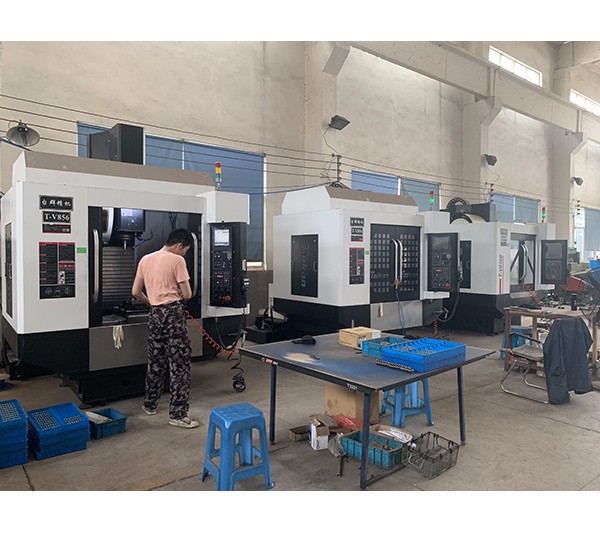
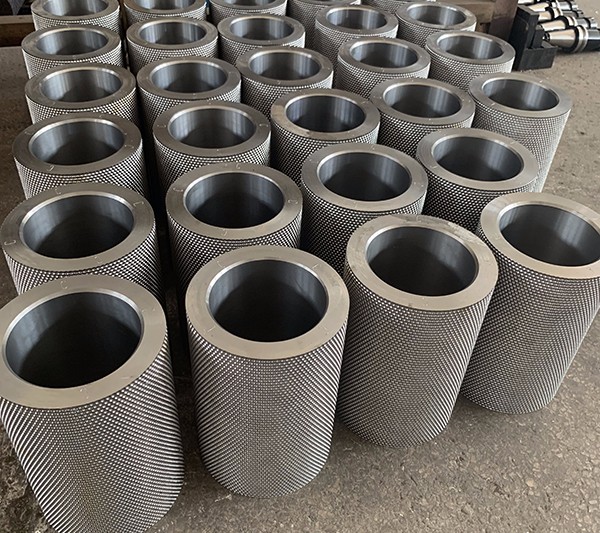
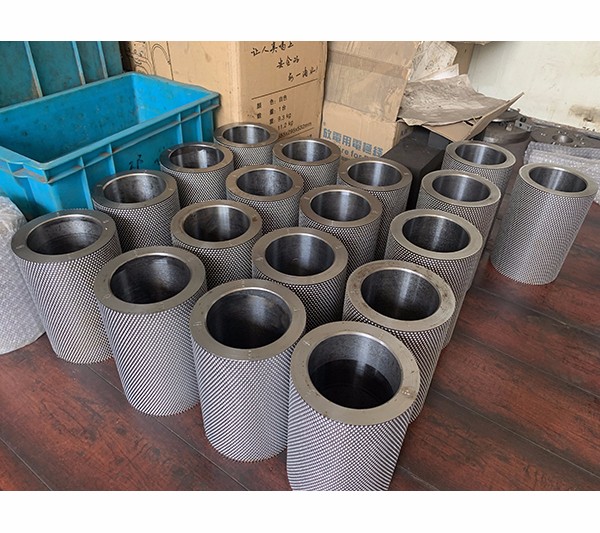
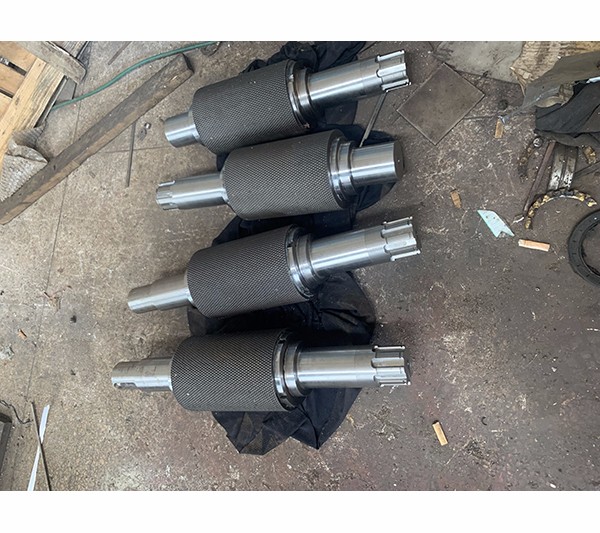
Double rollers | Using alloy steel forging, precision drilling |
Moisture | The moisture content of inorganic materials is 2-4%, organic materials is about 6-12% |
Working temperature | Normal temperature |
Workable medium | Ammonium carbonate, ammonium chloride, ammonium sulfate, compound fertilizer, potassium chloride, potassium sulfate, potassium magnesium fertilizer, etc. |
Features of roller compactor:
Adopt large torque reducer, enlarged coupling, roller shaft adopt forged parts, and add iron plate platform on equipment support
All these improvements are better stability of the equipment, reducing the amount of maintenance during the use of the equipment, and a longer service life of the equipment.
 Inquire Now